Leucine
Helps you Keep the Muscle while you Lose the Fat
Leucine - kind of sounds like 'losing'. I find this ironic because leucine is an amino acid that has been shown to help you keep your muscle when you are losing weight.
This means you lose your weight by losing FAT and that's a very good thing!
If losing weight and keeping it off is one of your goals the Leucine might just be the answer you are looking for.
What is Leucine
Understanding Weight Loss and the YO-YO Diet:
With every 'diet' I try, I gain back everything I lost and more!
Stop the cycle of insanity!
Leucine is an essential amino acid. (That cleared it right up didn't it)
Amino acids are what your body uses to make proteins and perform essential life functions. There are some that your body can produce but there are others that you must get from the stuff you eat. Leucine is one of those amino acids you must get from your food.
Leucine has been used by bodybuilders for years to increase muscle mass when they are working out. And there is some very good evidence that it is effective for that purpose. You can do a quick search and find lots of clinical studies showing a direct link between leucine intake and muscle generation.
How can Leucine Help ME?
Most of us aren't body builders. What we want to know is how to keep the muscle we have so we can keep eating and not have to cut back so much. (see my page on Understanding Weight Loss to understand the importance of keeping muscle mass)
Well lucky for us, some pretty smart scientists have also done studies on leucine and its ability to preserve the muscle mass you already have EVEN when you are on a diet and losing weight.
One of the main studies being done was spearheaded by Dr. D.K. Layman and some of his colleagues at the University of Illinois.
Their early studies showed that leucine stimulates the synthesis of new protein in the muscle, suppresses appetite and results in better blood sugar control. They then showed that leucine supplementation during weight loss in animals resulted in greater overall weight loss and better retention of lean muscle mass.
But who cares if a lab rat losing muscle or weight? Does this stuff (leucine) work on me and you?
Well, lucky for us, the group went on to do a study on two groups of women. These women were ages 40 to 56 and had a high Body Mass Index (BMI) of around 31. This just means they definitely needed to lose some weight.
What Dr. Layman and his group figured out is that if you change your ratio of carbohydrates to proteins ratio to around 1.5:1 and increase your leucine intake you will not lose your muscle mass when you diet.
His study actually proved this. Both groups were eating the same thing but one group also supplemented the diet with leucine. He also did the study twice. In one study he had both groups exercising and in the other study they did not exercise.
The interesting thing was that both groups (the regular and high leucine) lost weight and actually lost about the same amount. There was no significant difference in overall weight loss between the high leucine - high protein group and the control group in either study - but there was a huge difference in where that weight loss came from.
In the study with the exercise component only 4% of the weight loss came from muscle in the high leucine - high protein group compared to 16% from muscle in the control group.
As you might expect, the group that didn't exercise didn't do as well. In that study 11% of the weight loss came from muscle in the high leucine - high protein group compared to 18% from muscle in the control group.
I see two interesting facts from this information. First, there wasn't much difference in muscle mass loss for the exercise group compared to the non exercisers in the standard weight loss program. What this says to me is that if you don't supplement your diet with leucine you better really do some intense, resistance exercise in order to maintain your muscle mass. With the 10g of leucine per day the other group preserved much more of their muscle mass with just a moderate exercise program.
So exercise is definitely important but so is Leucine. Like so many other things in life it is the combination of things and maintaining moderation that works out best.
To put it all in a nutshell, Dr. Layman's study showed that the best way to lose the weight and to lose it as fat is to eat a diet that is higher in protein and is supplemented with leucine.
The bottom line is that weight loss diets providing around 10 g of leucine/day coupled with a 1.5:1 ratio of carbohydrate to protein are more effective at preserving muscle mass than the kind of weight loss diet that most people follow.
How to get more Leucine into Your Diet
Natural sources of leucine include beans, meat, nuts, and soy. Leucine is an essential amino acid, which means that it cannot be manufactured in the body and must be obtained through dietary sources. People that exercise a lot, have a low-protein diet, or are seriously trying to build muscle mass should consider leucine supplementation.
Shaklee, the number one nutritional company in the U.S., has researched Leucine and used the research of others such as Dr. Layman to produce a diet system based on the power of leucine.
The product is called Shaklee 180. The plan provides several ways in which to get the proper amount of leucine and ingest it in a balance that gives your body the best chance to lose the weight without losing the muscle.
The Weight Loss Plan provides 12 g of leucine/day and the carbohydrate to protein ratio is 1.4:1 for the 180 Shakes Mix and 1.6:1 for the 180 Meal Bar.
These ratios fit right in with what the study said worked best, so it shouldn't come as any surprise that when Shaklee did their own 12 week clinical study of people the ones that were on this weight loss plan had an average weight loss of 15.4 pounds - and virtually none of that came from muscle!
Now that truly is the Magic of Leucine.
If you are ready to get off the diet roller-coaster and do things the right way then give this weight loss plan a try. Discover for yourself how great it can be to lose the weight and actually keep it off.
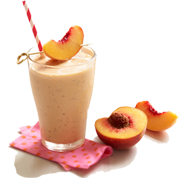
Are you Ready to do a 180?
From America's #1 Nutritional Company.
90 days to lost the weight. 90 days to learn how to keep it off!

Looking for more information about Health and Nutrition. Feel free to visit our monthly online Newsletter -
Health Quest
You will find current, relevant information along with solutions including healthy products. The information is always free and we will never pressure you into buying products but please know that I do make a small commission from any of the sales. I use these products myself.
If you would like a reminder each month with a quick synopsis of what you will find in the newsletter please enter your email below.

Landmark Nutritional Supplement Study
Sign up for our free monthly newsletter.

Copyright © 2007- HealthyLife-HealthyPlanet All Rights Reserved